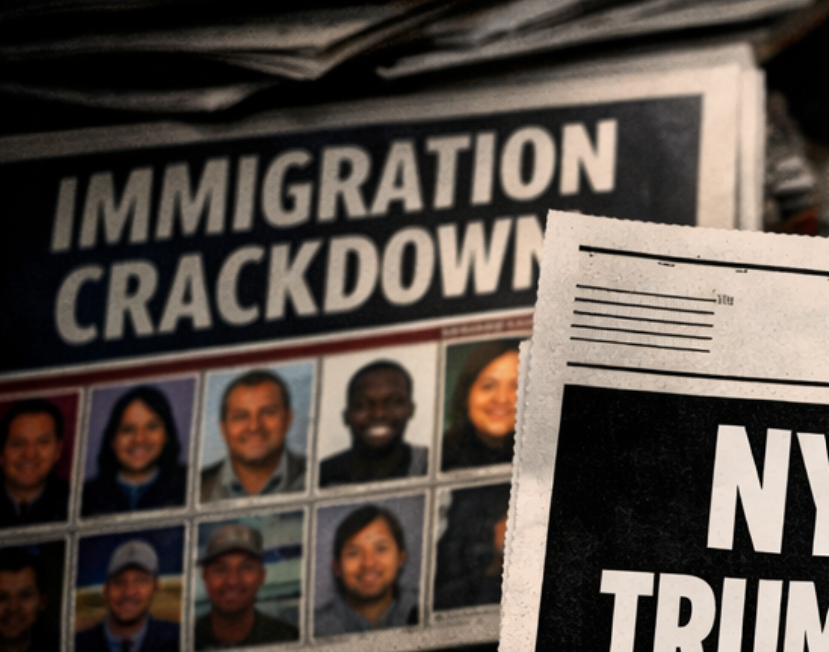
The New York Times declined a request from the Department of Homeland Security (DHS) to run a full-page advertisement detailing high-profile arrests made by U.S. Immigration and Customs Enforcement (ICE), according to DHS communications obtained by The Daily Wire.
The proposed advertisement was designed to showcase 30 mugshots of individuals arrested during “Operation Metro Surge,” a federal immigration enforcement initiative in the Minneapolis area focused on removing dangerous criminals. The ad copy featured bolded language stating, “These are some of the 10,000 criminals ICE law enforcement has risked their lives to arrest in Minnesota,” and concluded with the tagline, “ICE saves innocent lives.”
Despite the Department’s efforts, The New York Times informed DHS via email that it was “not able to accept the ad in its current form.” When requested to provide an official letter explaining the rejection, The New York Times reportedly declined, stating that feedback is normally offered through email review. DHS has not received a formal justification for the denial.

The newspaper noted in its communications that it reviews a high volume of submissions and typically takes one to two business days for consideration — a timeline that had not been fully met as of the latest correspondence. DHS also reached out directly to The New York Times seeking comment on the matter.
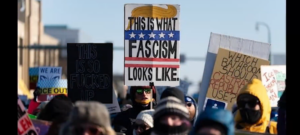
Operation Metro Surge, which has deployed federal agents to the Minneapolis metro area and beyond, has resulted in thousands of arrests, and has been met with protests and public debate over sanctuary city policies. The initiative has also been a flashpoint in broader discussions about immigration enforcement and public safety under the Trump administration.
In defending the ad’s intent, Assistant Secretary for Homeland Security Tricia McLaughlin criticized mainstream media outlets for what she described as a “blackout” of coverage on ICE’s enforcement activities. McLaughlin said The New York Times refusal to publish the ad “deliberate[s] suppression of public safety information,” arguing that withholding such content betrays public trust and endangers communities by not reporting on dangerous offenders removed from streets.
The rejection has added fuel to ongoing discussions about media bias, freedom of speech, and the role of major news platforms in shaping public understanding of government actions. Democrats in recent weeks have countered with calls for reforms to ICE and Border Patrol procedures, including a shift toward requiring judicial warrants in immigration enforcement — a move critics contend could significantly limit the agency’s arrest capabilities.
As the story continues to unfold, lawmakers and activists on both sides of the political aisle are weighing in on what the Times decision means for public discourse on immigration enforcement and accountability in national newsrooms.