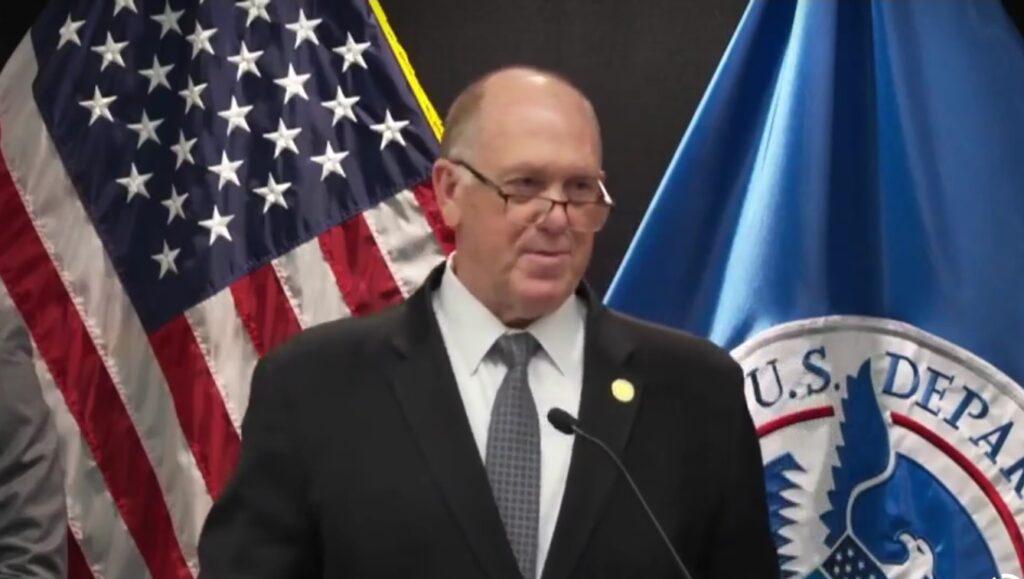
White House border czar Tom Homan announced Thursday that the Trump administration will end its aggressive federal immigration enforcement operation — known as Operation Metro Surge — in Minnesota after more than two months of enforcement activity and mounting protests.
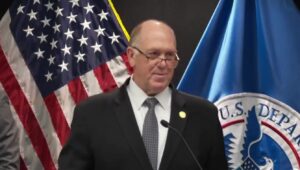
In a press conference at the Bishop Henry Whipple Federal Building in Minneapolis, Homan said he proposed concluding the operation and that President Donald Trump has agreed to wind down the effort, which deployed thousands of federal immigration agents to the Twin Cities area starting in December.
“This surge operation will conclude,” Homan told reporters, emphasizing federal officials believe they have achieved “major successes,” including enhanced cooperation with state and local law enforcement and the removal of individuals deemed threats to public safety.

Operation Metro Surge: What Happened
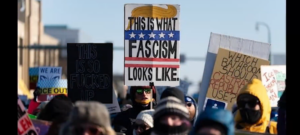
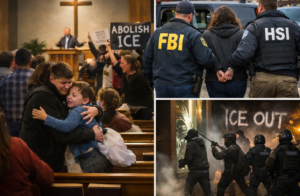
Operation Metro Surge represented one of the largest immigration enforcement initiatives of the Trump administration’s second term, focused on arresting and deporting undocumented individuals in the Minneapolis–Saint Paul area. The operation had been controversial, drawing thousands of protests and criticism from civil rights advocates, local leaders, and residents who argued that federal agents operated aggressively and without sufficient oversight.
According to broader reporting, the surge has seen over 4,000 arrests, though statistics vary on the number of agents deployed and the specifics of those detained. In addition, federal enforcement actions in Minnesota sparked violent confrontations, including the deaths of two U.S. citizens during separate incidents involving federal agents — events that amplified pressure on the administration.
Homan said a significant drawdown of agents is already underway and will continue into the coming week, with a smaller contingent remaining briefly to ensure a smooth transition back to standard local enforcement cooperation.
Responses from Local Leaders and Critics
Local officials have publicly welcomed the announcement. Democratic Governor Tim Walz and Minneapolis Mayor Jacob Frey previously signaled hope for a prompt end to the operation, advocating for a shift away from a heavy federal presence toward more community-oriented public safety approaches.
Critics of the operation have characterized it as overreach, with protests highlighting concerns that many individuals arrested had no criminal records and that the federal presence disrupted daily life and strained community relations. Progressive advocacy groups and civil rights organizations have called for increased accountability and structural changes to immigration enforcement policies.
Homan, however, defended the enforcement initiative, stating that the operation’s conclusion does not signal an end to the administration’s immigration priorities. Instead, he framed it as a strategic shift, saying the focus would remain on targeting those with criminal histories and reinforcing U.S. immigration laws.
Broader Implications
The Minnesota surge and its eventual conclusion highlight ongoing tensions in national immigration policy. While hard-line enforcement remains central to President Trump’s agenda, the pushback in Minnesota underscores the challenges of implementing large-scale federal operations in urban areas with diverse and politically engaged populations.
As the federal government transitions away from Operation Metro Surge, questions remain about how future immigration enforcement will balance law enforcement objectives with civil liberties, community trust, and interstate cooperation — debates that continue to shape the national conversation on immigration reform and border security.