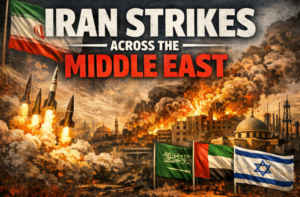

As tensions escalate in the Middle East following joint U.S.-Israel strikes on Iranian targets, members of Congress are preparing to vote on measures aimed at reasserting their constitutional authority over matters of war.
According to reporting by NewsNation, lawmakers from both parties are pushing forward with a War Powers resolution in response to U.S. military involvement alongside Israel in strikes targeting Iran. The move comes amid growing debate over the executive branch’s authority to engage in military action without explicit congressional authorization.
Under the Constitution, Congress holds the power to declare war. Yet over decades, presidents of both parties have expanded executive authority to conduct limited or targeted military operations without a formal declaration. The War Powers Resolution of 1973 was designed to rein in that authority, requiring the president to notify Congress within 48 hours of military action and limiting deployments without authorization to 60 days.

Now, in the wake of the recent strikes, lawmakers are revisiting that framework. Some members argue that the United States risks deeper entanglement in a broader regional conflict if Congress does not clearly define the scope and limits of American involvement. Others contend that standing firmly with Israel — one of America’s closest allies and a nation central to biblical history — is both strategically and morally necessary.
The developing situation underscores the fragile balance between supporting allies, deterring hostile regimes, and preserving constitutional order at home. Iran’s leadership has long been hostile to both Israel and the United States, and concerns about Tehran’s regional ambitions and potential nuclear capabilities have fueled instability for years.
At the same time, many Americans remain wary of prolonged foreign conflicts that lack clear objectives or congressional backing. From a constitutional perspective, the debate strikes at the heart of self-government. The Founders vested war-declaring authority in Congress precisely to prevent unilateral executive action and ensure accountability to the people.
As lawmakers prepare for a vote, the outcome could shape not only U.S. policy toward Iran but also the broader question of how and when America commits military force abroad. For Christians concerned about just war principles, national sovereignty, and the protection of innocent life, the moment calls for sober discernment.
The biblical mandate for government includes restraining evil and preserving order (Romans 13), but it also demands wisdom and accountability. Whether Congress ultimately limits, endorses, or reshapes U.S. involvement, the debate serves as a reminder that constitutional fidelity and moral clarity must guide decisions of war and peace.
The coming vote will signal whether lawmakers intend to reclaim their constitutional role — or continue the modern trend of ceding war-making authority to the executive branch in moments of international crisis.