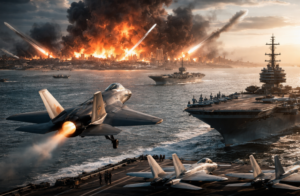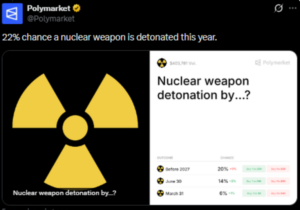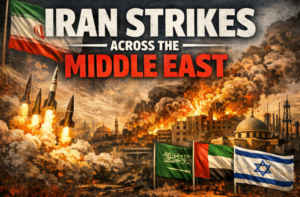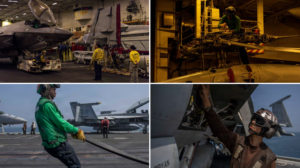
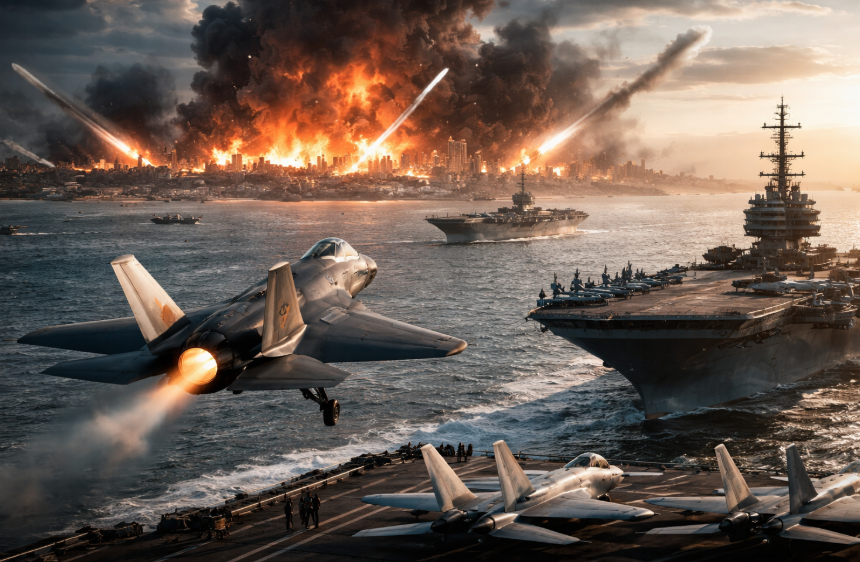
The joint U.S.–Israeli military campaign against Iran appears to be entering a new phase, with Israeli forces shifting their focus toward hardened missile infrastructure while the broader regional consequences of the conflict continue to unfold.
The operation began with a coordinated U.S.–Israeli strike on Iranian targets on February 28, an operation designed to degrade Tehran’s nuclear and missile capabilities and eliminate key elements of Iran’s military leadership. The strikes quickly triggered retaliatory missile attacks and raised fears of a wider regional war.
Israel Moves to Target Underground Missile Sites
As the campaign continues, Israel is shifting its focus toward Iran’s most resilient military infrastructure.

According to reporting from Reuters on the war’s “second phase”, Israeli forces are now preparing to strike deeply buried ballistic-missile facilities, including underground bunkers and storage tunnels designed to protect Iran’s missile arsenal from air attacks.
These sites are believed to contain large portions of Iran’s remaining missile stockpile, which analysts estimate could still number in the thousands. Destroying those underground facilities would significantly reduce Tehran’s ability to launch sustained missile barrages against Israel or U.S. assets in the region.
Recent satellite imagery analyzed by defense experts already shows extensive damage to missile bases and support infrastructure in northwestern Iran, though tunnels and buried launch systems may still be operational.
Nuclear Facilities Remain a Major Unknown
Another major question is the current status of Iran’s nuclear program.
According to ABC News reporting on the latest battle damage assessments, officials say it is still unclear what has happened to some of Iran’s nuclear materials following the strikes.
Inspectors have confirmed damage to buildings at the entrances to the Natanz fuel enrichment facility, though the underground enrichment halls themselves appear to remain largely intact and there has been no evidence of radiological contamination.
That uncertainty has fueled ongoing debate among analysts about whether additional strikes could be necessary to prevent Iran from rebuilding enrichment capabilities.
Conflict Spreads Beyond Israel and Iran
The war is already spilling beyond the two primary combatants.
Iran has launched missile and drone attacks against Israeli targets, some of which have penetrated Israel’s missile defenses and caused casualties. Photos from Reuters documenting Iranian missile strikes inside Israel show damage in several cities following retaliatory barrages.
Regional tensions escalated further after Azerbaijan accused Iran of launching a drone attack on its territory, an incident that injured civilians and threatened to draw additional countries into the conflict.
Meanwhile, Iran and its allies have attempted to expand the conflict across the region, including attacks on energy infrastructure and shipping routes critical to global oil supplies.
Civilian Casualties Raise International Concern
Humanitarian concerns have also grown as the bombing campaign continues.
A monitoring group cited in a report by TIME on the civilian toll of the air campaign claims more than 1,000 civilians may have been killed during the early days of the bombing campaign, though the numbers remain difficult to verify during an active war.
International organizations have warned that strikes near nuclear or civilian infrastructure could create broader humanitarian risks if the conflict continues to escalate.
Debate Erupts Among American Christians
The war has also sparked a growing debate inside American conservative Christianity over what level of support for Israel the Christian faith actually requires.
Among many dispensational-leaning evangelicals, support for Israel remains essentially unconditional. These Christians typically view the modern State of Israel as playing a central role in biblical prophecy and believe the Jewish nation retains a unique covenantal relationship with God. From that perspective, defending Israel—particularly against hostile regional powers such as Iran—is often seen as both strategically wise and theologically necessary.
However, a different perspective has gained traction among some Christian nationalist and post-dispensational conservatives, who argue that American foreign policy should be guided strictly by U.S. national interests rather than theological commitments to another nation. Critics within this camp claim the United States risks being drawn into a major Middle Eastern war primarily to defend Israeli security objectives rather than American ones.
The dispute reflects a broader divide inside the American right about the role biblical interpretation should play in shaping foreign policy—an argument that has intensified as the conflict with Iran escalates.
At the same time, many evangelical leaders caution against reducing the issue to simple political categories. While Scripture affirms the historical role of Israel in God’s redemptive plan, the New Testament also reframes the people of God around faith in Christ rather than national identity. As a result, some theologians argue that Christians may legitimately support Israel for strategic or moral reasons without treating such support as a theological obligation. Others continue to maintain that biblical promises to Israel still carry modern geopolitical implications. The result is a complex and increasingly visible debate within American Christianity over how biblical theology should intersect with modern foreign policy.
What Comes Next
Several factors will likely determine how the war develops in the coming weeks.
First is whether Israel can successfully destroy Iran’s underground missile stockpiles. If those weapons survive, Iran could continue launching retaliatory strikes long after its visible infrastructure has been degraded.
Second is the unresolved question of Iran’s nuclear program. Until inspectors and intelligence agencies can confirm the extent of the damage, policymakers will not know whether Iran retains the ability to quickly rebuild enrichment capabilities.
Finally, the regional dimension of the conflict remains volatile. Additional Iranian proxy activity—or retaliation against U.S. forces—could rapidly widen the war beyond the current battlefield.
For now, the U.S.–Israeli operation appears to be entering a deeper and more methodical phase, with the destruction of Iran’s hardened military infrastructure emerging as the central objective of the campaign.