
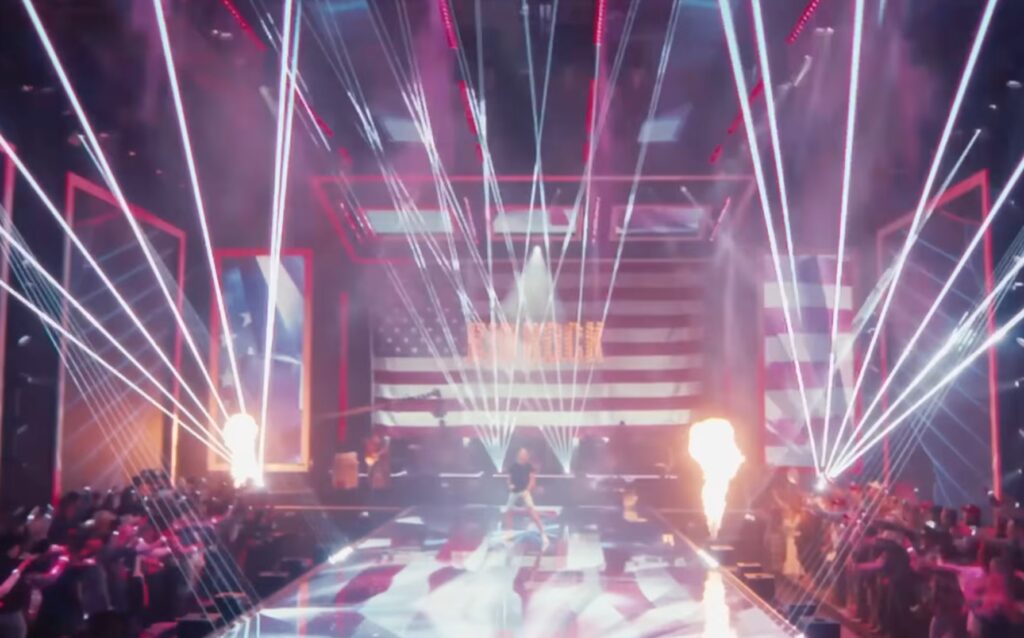
As reported by Breitbart, the cultural and political impact of this year’s Super Bowl halftime show is being closely scrutinized after viewership numbers suggested a significant audience response to a performance framed around pro-American themes rather than progressive ideology.
Turning Point USA (TPUSA), a conservative youth organization founded to promote free markets, limited government, and traditional American values, praised the ratings outcome as evidence that millions of Americans are hungry for cultural expressions that affirm national pride rather than undermine it. According to the group, the strong performance numbers amounted to a “shot across the bow” for entertainment executives who have increasingly used major cultural platforms to advance left-wing social agendas at odds with mainstream Americans.
In recent years, high-profile entertainment events have often leaned heavily into political messaging that celebrates radical gender ideology, sexual immorality, and hostility toward traditional faith. Critics argue that these displays frequently marginalize Christian viewers and working families who simply want entertainment without being lectured or shamed for holding biblical convictions about morality, family, and nationhood.

This year’s halftime show, however, struck a markedly different tone. While not overtly religious, the performance avoided the now-familiar trappings of “gender” activism and anti-American symbolism that have become common in elite cultural spaces. Instead, it emphasized themes of national identity, perseverance, and shared heritage — concepts that resonate deeply with Americans shaped by Judeo-Christian values.
TPUSA representatives pointed to the ratings as proof that cultural institutions misread the public when they assume progressive ideology is universally embraced. They argued that corporate media and entertainment leaders have confused loud activist minorities with the broader population, many of whom remain grounded in traditional moral frameworks even if those views are rarely reflected in Hollywood.
The success of the broadcast also underscores a broader shift underway in American culture. As trust in legacy media declines, audiences are increasingly selective about what they support with their attention. Viewers are not merely passive consumers; they reward content that aligns with their values and quietly withdraw from content that openly mocks or rejects them.
From a biblical perspective, this moment highlights the enduring reality that truth and order are not erased by elite consensus. Scripture teaches that nations flourish when they honor what is good, true, and just, and fracture when they celebrate confusion and moral rebellion. The public’s response to this year’s halftime show suggests that many Americans still recognize that distinction, even if it is rarely acknowledged in cultural commentary.
For conservatives and Christians alike, the ratings outcome serves as encouragement rather than triumphalism. It is a reminder that faithfulness, restraint, and respect for the created order still have a place in the public square. Whether entertainment leaders will learn from this signal remains to be seen, but the message from viewers was unmistakable: Americans are not obligated to applaud cultural decay, and they are increasingly willing to turn away from it.






























One Response
National Fornication League