As reported by Fox News, several Gulf states have publicly condemned Iran’s retaliatory missile and drone strikes following a joint U.S.-Israeli military operation targeting Iranian-linked assets. The rebukes underscore rising tensions in an already volatile Middle East and highlight growing concern among regional leaders about Tehran’s aggressive posture.
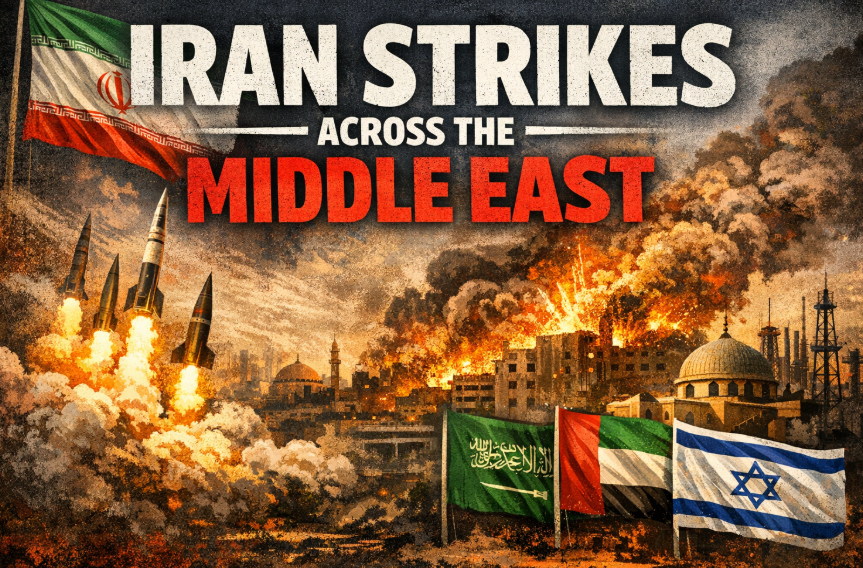
According to the report, Iran launched strikes affecting areas near or within the territories of neighboring Gulf nations after the United States and Israel conducted coordinated action against Iranian interests. While Iranian officials framed their attacks as justified retaliation, Gulf governments characterized the strikes as reckless escalations that threaten civilian safety and regional stability.
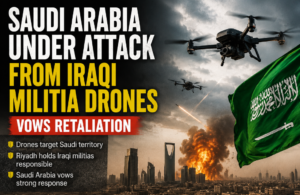
Saudi Arabia, the United Arab Emirates, and other Gulf Cooperation Council members expressed firm opposition to the Iranian response. Officials warned that continued tit-for-tat hostilities could destabilize critical shipping lanes, energy infrastructure, and population centers. These nations, long wary of Iran’s regional ambitions, have repeatedly called for restraint and respect for sovereignty.

The joint U.S.-Israeli operation that preceded Iran’s response reportedly targeted strategic sites linked to Tehran’s military network. Israel has consistently argued that it will act decisively to prevent Iran from expanding its military footprint or acquiring advanced weapons capabilities that could endanger the Jewish state. American officials have likewise maintained that deterring Iranian aggression remains essential to protecting U.S. interests and allies in the region.
From a broader perspective, the episode illustrates the fragile balance of power in the Middle East. Iran’s willingness to strike across borders reinforces longstanding concerns among Sunni Arab states about Tehran’s influence and its support for proxy forces. At the same time, Gulf leaders appear intent on preventing open warfare that could devastate their economies and civilian populations.
For Christians observing these developments, the situation serves as a sobering reminder of the consequences of unchecked aggression and the need for just governance rooted in moral clarity. Scripture calls leaders to pursue justice and restrain evil, yet history repeatedly shows how pride and vengeance can fuel cycles of violence. While governments bear the responsibility to defend their people, wisdom and prudence must guide decisions that carry grave human costs.
The condemnation from Gulf capitals signals that even nations not directly involved in the initial operation are unwilling to tolerate further destabilization. Whether diplomatic channels can de-escalate tensions remains uncertain. What is clear is that the region stands at a precarious crossroads, where miscalculation could ignite a broader conflict with global implications.
As the world watches, the stakes extend beyond geopolitics. The preservation of peace, protection of innocent life, and accountability of governing authorities remain central moral concerns—ones that demand vigilance, prayer, and principled leadership in turbulent times.