A Minnesota activist with ties to progressive political causes has been identified as an administrator of encrypted Signal chat groups accused of coordinating efforts to obstruct federal immigration enforcement.
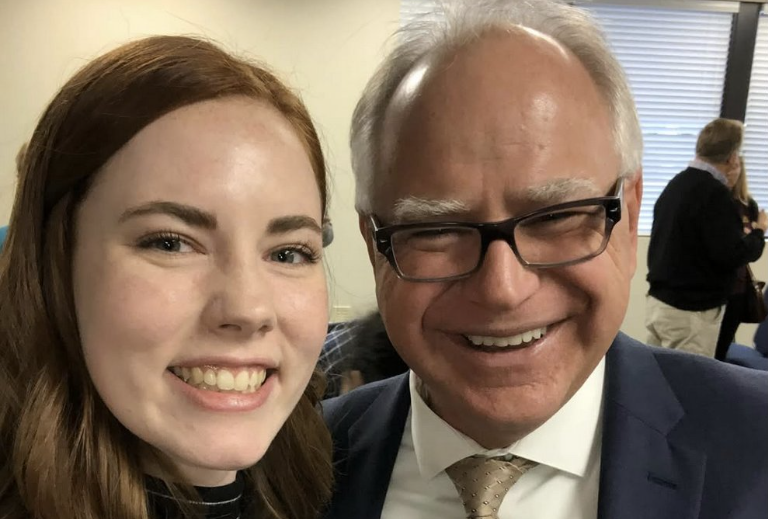
Social media users this week identified Amanda Noelle Koehler, a St. Paul–based policy consultant and urban farmer, as an administrator for multiple Signal groups operated by MN ICE Watch, an anti-ICE network with thousands of participants divided by city “zones.” According to screenshots and publicly available profile information, Koehler’s name, phone number, and other details match the administrative contact information used by the groups.
The Signal chats reportedly use military-style reporting language to track the movements of suspected Immigration and Customs Enforcement agents. Participants are directed to follow vehicles believed to belong to ICE, relay real-time location updates, and deploy additional “chasers” to slow or interfere with enforcement actions. Critics warn that these tactics amount to harassment and could easily escalate into dangerous confrontations.

Koehler has also publicly posted about helping train volunteers for an immigrant “defense hotline,” which activists describe as a tool to delay or disrupt federal operations. Law enforcement advocates argue such efforts undermine the rule of law and place both officers and civilians at risk.
The exposure comes amid rising tensions in Minnesota following a fatal shooting and several confrontations linked to immigration enforcement activity. While Democratic–Farmer–Labor (DFL) leaders, including Gov. Tim Walz, have previously voiced sympathy for activist monitoring of ICE, critics say political encouragement has emboldened groups that now operate in the shadows of encrypted platforms.
From a biblical and moral standpoint, civil society depends on respect for lawful authority and the protection of human life. Organizing digital mobs to track and intimidate federal agents does neither. As federal authorities continue to carry out their lawful duties, questions are mounting over whether those coordinating these networks will be held accountable—or continue operating with political cover.