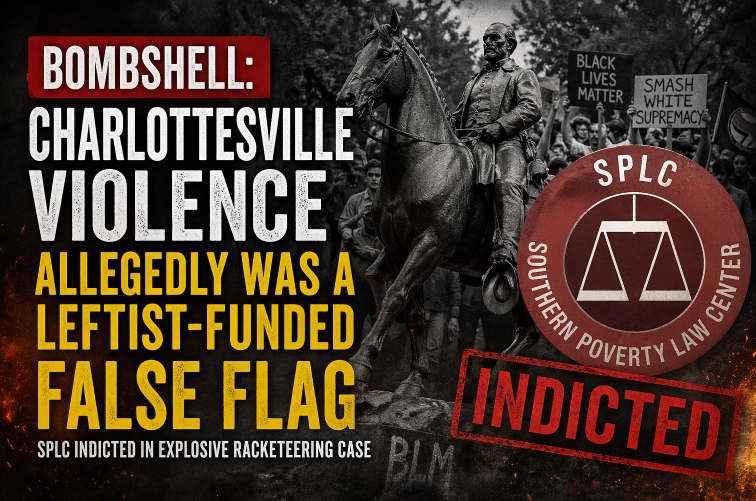
A recent legal development is drawing renewed scrutiny to the widely reported narrative surrounding the 2017 unrest in Charlottesville, Virginia, raising serious questions about the role of left-wing activists and organizations in the violence that shocked the nation.
As reported by The Blaze, a new indictment tied to a racketeering case includes claims that elements of the violence may have been orchestrated or influenced by individuals aligned with leftist causes. The filing reportedly suggests that certain actors may have worked deliberately to provoke chaos, potentially reframing public perception of what took place during the deadly “Unite the Right” rally.
The Charlottesville incident has long been presented by mainstream outlets as a clear-cut example of right-wing extremism turning violent. However, these new allegations—emerging years later—highlight the complexity of the situation and underscore the importance of pursuing truth over politically convenient narratives. According to the report, the indictment references communications and actions that suggest premeditation among some participants, raising the possibility that the unrest was not as spontaneous as once believed.

Central to the controversy are claims involving the Southern Poverty Law Center (SPLC), an organization widely known for labeling groups it considers extremist. The indictment reportedly connects certain individuals and funding streams in ways that critics argue should prompt deeper investigation into whether influential institutions played a role behind the scenes.
While these claims remain allegations and have not been fully adjudicated in court, they nonetheless challenge the dominant storyline that has shaped public understanding for nearly a decade. For many Americans, particularly those concerned about media bias and institutional accountability, such revelations reinforce long-standing concerns that critical facts are often overlooked when they do not align with prevailing ideological frameworks.
From a biblical perspective, the pursuit of truth is not optional but foundational. Scripture calls for honesty, justice, and impartiality, warning against bearing false witness or distorting reality for personal or political gain. If these allegations hold merit, they would represent not only a failure of transparency but also a deeper moral failing within institutions entrusted with shaping public discourse.
At the same time, Christians are called to exercise discernment and patience, recognizing that allegations alone do not constitute proof. The legal process must be allowed to unfold, and all claims should be examined carefully and fairly. Justice requires both accountability and restraint—ensuring that wrongdoing is exposed without rushing to conclusions unsupported by evidence.
The broader implications of this case extend beyond Charlottesville itself. They touch on questions of media credibility, institutional trust, and the increasing polarization of American society. If narratives can be shaped or manipulated through coordinated efforts, the public’s ability to discern truth becomes significantly compromised.
As more information emerges, the case will likely continue to fuel debate over what truly happened in Charlottesville and who, if anyone, sought to influence the outcome. For those committed to truth and moral clarity, the priority remains unchanged: to seek justice, uphold integrity, and resist the temptation to accept simplified narratives in place of careful, honest inquiry.