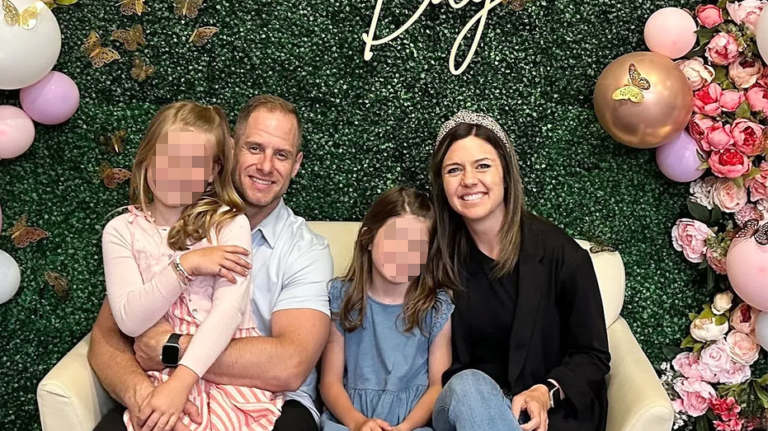
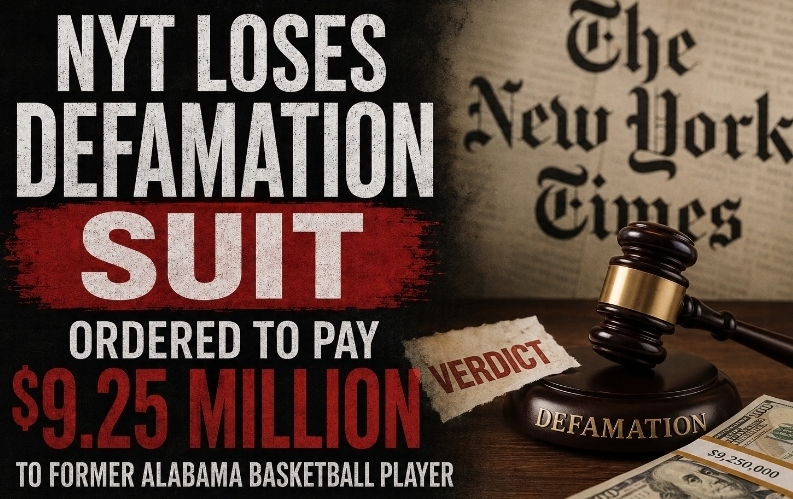
As reported by Fox News, an eight-person jury returned the verdict Thursday following a nine-day trial, concluding that the Times defamed Spears, who was an 18-year-old freshman walk-on for the Crimson Tide when the disputed article was published.
The controversy stemmed from a March 15, 2023, Times article that identified Spears as a passenger in then-Alabama star Brandon Miller’s vehicle during a January shooting that killed 23-year-old Jamea Harris. Spears was not the person in the vehicle.
The newspaper eventually determined that Cooper Lee, a student manager for the basketball team, had been in the vehicle and added an editor’s note acknowledging its mistake. The Times said its original reporting had relied on a person familiar with the case and that subsequent reporting established Spears had been misidentified.

Spears sued, arguing that falsely associating his name with a murder damaged his reputation and caused emotional distress. His complaint said the allegations threatened to follow him throughout his education and basketball career. Court records show the lawsuit proceeded after a federal judge denied both sides’ motions for summary judgment in May, leaving the dispute for a jury to resolve.
The case also raised serious questions about the responsibility that accompanies the enormous reach of America’s most powerful news organizations. A free press is indispensable to a free nation, but freedom does not eliminate the obligation to tell the truth. Scripture’s warning that “a false witness will not go unpunished” reflects an enduring moral principle: a person’s name and reputation should not be carelessly destroyed by inaccurate accusations.
The Times reporter responsible for the article, Billy Witz, testified during the trial and acknowledged that the story contained an error. According to courtroom reporting, he had relied heavily on an anonymous source whom he regarded as knowledgeable about the investigation. Another source reportedly described the unidentified individual only in general terms.
The Times has defended the episode as an unintentional mistake. Following the verdict, a newspaper spokesperson said the company was disappointed with the jury’s decision, disputed the legal basis and size of the award, and said it was reviewing its options. The Associated Press reported that the verdict marked the first time in more than 50 years that the Times had lost a U.S. defamation lawsuit concerning one of its articles.
The verdict serves as a reminder that institutional prestige cannot substitute for accuracy. Journalists possess extraordinary power to shape reputations and public perception, and with that power comes a basic duty recognized long before modern media existed: bear true witness about one’s neighbor.