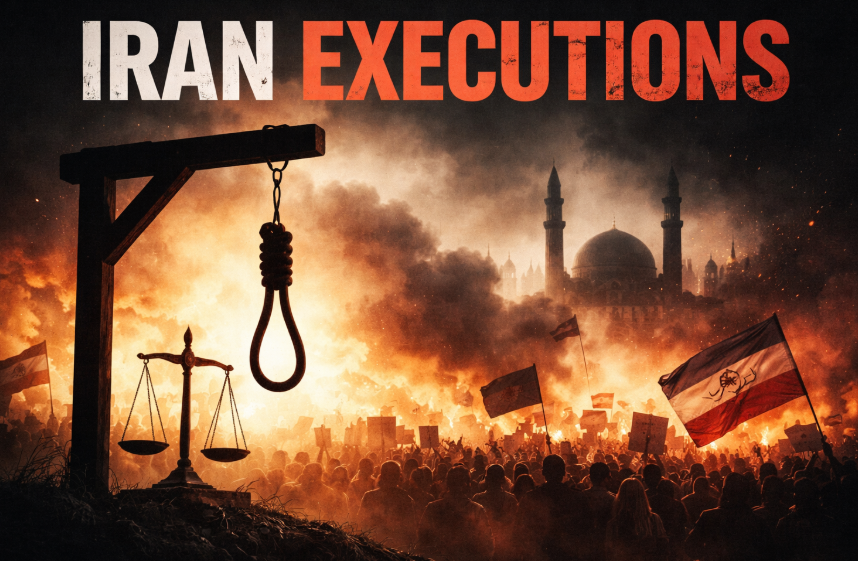
Iran’s ruling regime has carried out the execution of three individuals connected to the country’s January protests, a move that underscores the government’s continued use of severe punishment to maintain control.
As reported by Reuters, the executions took place in the religious city of Qom after Iran’s Supreme Court upheld the sentences. Authorities claimed the three men were responsible for killing two police officers during unrest on January 8, and charged them with “moharebeh,” a term meaning “waging war against God.”
Iranian officials further alleged that the accused had acted in coordination with foreign adversaries, including the United States and Israel—claims frequently used by the regime to frame internal dissent as externally driven.

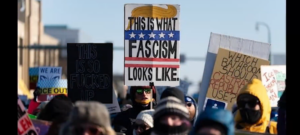
The January protests marked one of the most significant uprisings in the Islamic Republic in recent history. Sparked by economic hardship and broader dissatisfaction with the government, demonstrations quickly spread across the nation. The regime responded with a sweeping crackdown involving mass arrests and the use of force. Independent reports and rights groups have indicated that thousands of people may have been killed during the unrest, with many more detained.
These latest executions appear to signal a continuation of that crackdown, raising concerns among international observers about due process and the use of capital punishment as a political tool. Iran’s judiciary has previously issued multiple death sentences tied to the protests, and warnings from global human rights bodies suggest more individuals could face similar outcomes.
From a biblical perspective, civil authorities are entrusted with the responsibility to uphold justice and punish wrongdoing (Romans 13:1–4). However, justice must be grounded in truth, impartiality, and the protection of human dignity. When governments operate without transparency or accountability, wielding the sword to suppress dissent rather than uphold righteousness, they risk becoming instruments of oppression rather than servants of good.
The Iranian regime’s repeated attribution of domestic unrest to foreign enemies also reflects a broader pattern of deflecting responsibility. Scripture consistently calls leaders to honesty and integrity, warning against bearing false witness or using deception to maintain power (Proverbs 12:22). A nation cannot flourish where truth is obscured, and justice is compromised.
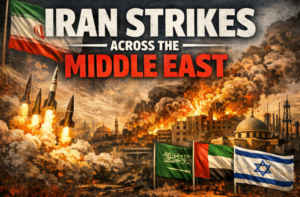
As tensions in the region remain high and Iran faces both internal unrest and external conflict, these executions are likely to intensify scrutiny of the regime’s actions. For many observers, they stand as a stark reminder of the cost borne by those who challenge authoritarian rule—and the urgent need for justice rooted in truth and moral accountability.